In an era when war was romanticized, Wilfred Owen, an Englishman and First World War soldier, became the greatest of poets by denouncing that lie. Owen described the horror he witnessed:
“If in some smothering dreams, you too could pace behind the wagon we flung him in and watch the white eyes writhing in his face….
…My friend, you would not tell with such high zest to children ardent for some desperate glory, the old lie: Dulce et decorum est pro patria mori.”
(“Dulce et Decorum Est” by Wilfred Owen, 1917)
Owen’s reign lasted a year. He died in action, a week before the Armistice. Owen was 25 years old.
Almost 500,000 boys and young men between the ages of 16 and 25 were slaughtered during the Great War of 1914-1918.
The flower of a generation.
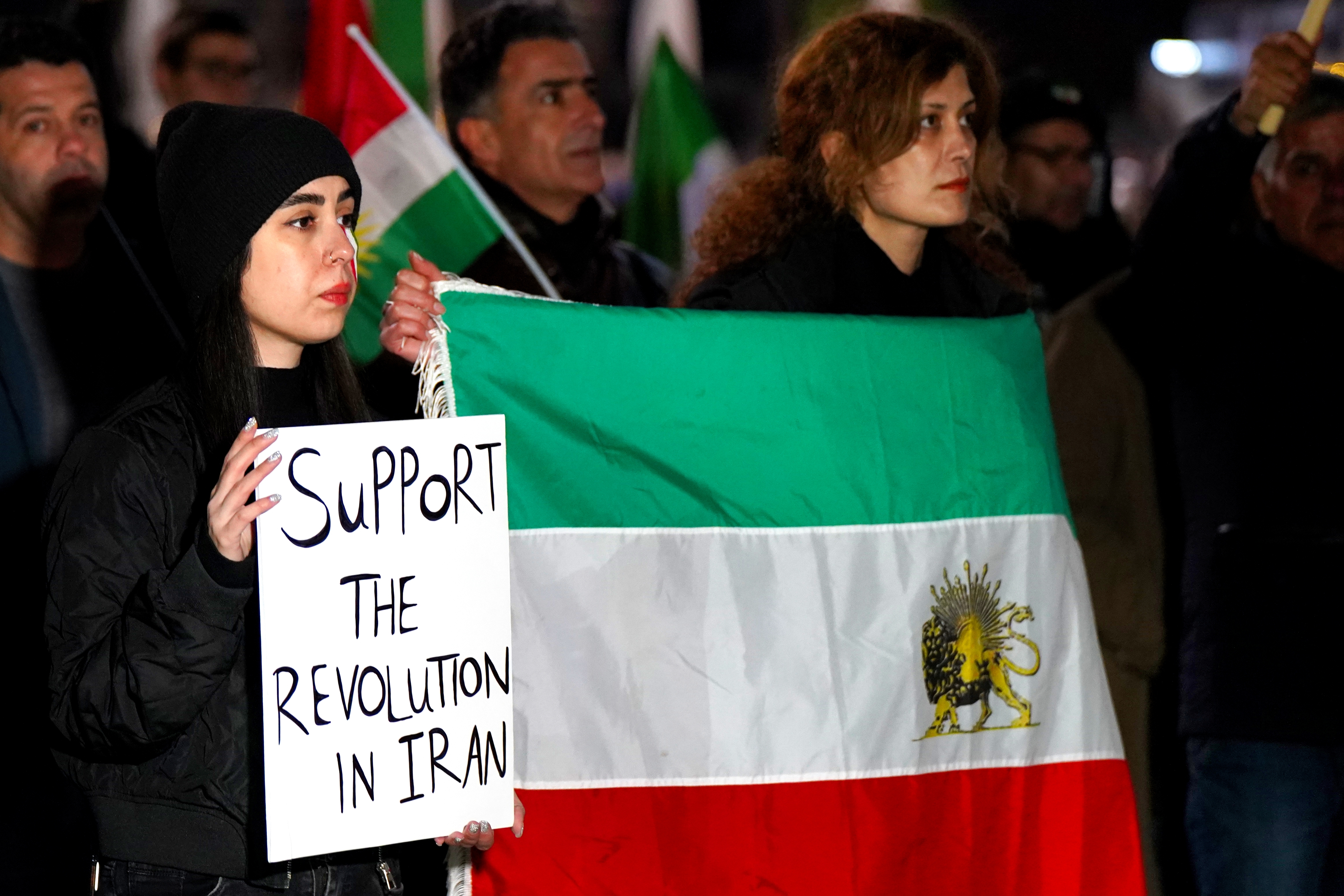
It may seem trivial and crass to compare the deaths in that war to the recent deaths in demonstrations across Iran, estimated as 10,000, with 50,000 detained having a slim chance of surviving.
Only by brutality were the demonstrations quelled, as were previous demonstrations three years ago on the death of Mahsa Amini. Amini, a 22-year-old Kurdish-Iranian woman, was severely beaten for not covering her hair.
Demonstrations erupt and demonstrations, like their perpetrators, die with no seeming hope of an outcome.
But this spate of outrage was not like any other, for three reasons: the economy, the economy, the economy.
These demonstrations weren’t the displays of rabid teenage girls in protest, as in the past. Students were bolstered by the very backbone of supporters of the current regime of fanatical clerics: the deeply religious to bazaar owners, widows and the unemployed. It marked a turning point in the long and turbulent fight against oppression in Iran.
Let’s hope that the deaths and detentions were worth it, propelling the unstoppable juggernaut of irresistible change.
Perhaps in a few years, I may be able to rewrite Owen’s last line to read only “Dulce et Decorum est pro patria mori,” namely, “it IS sweet and proper to die for one’s country.”